
The Priest and the Demon
The Story of Rennes-le-Château's Treasure and a Secret Pact

Once upon a time, a poor village priest became so wealthy that his very life was in danger. It is said that he found a great treasure in Rennes-le-Château. Sounds like a faery tale? Read on.

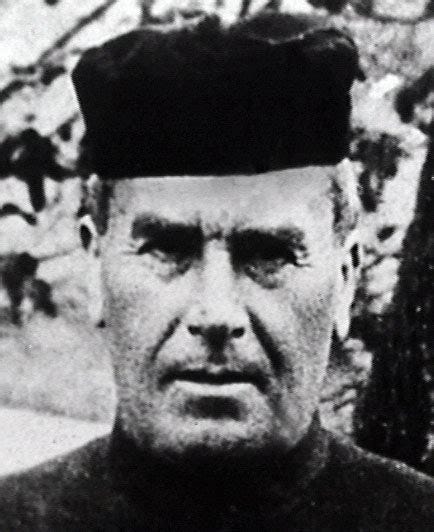
Some mysteries may never be solved. Bérenger Saunière was a poor priest, but he had royal connections. He was from Montazel, five miles from Rennes-le-Château where his father was Mayor, and yet too poor for Bérenger’s education. When Saunière took the frock, he was already a devoted royalist in fin-de-siècle France, which was then both anti-monarchy and anti-clerical. The Republic, he said in a sermon, was ‘the devil’s work. They want to bring down the Catholic Church with the blood of our Kings’ For this he was banished to Narbonne seminary. But Saunière’s connections to the Chefdebien dynasty– (his father and brother were already in service to the Count) got him out of there. Marquis de Chefdebien was a great friend of Comte de Chambord, heir to the throne of France (and the Legitimist Pretender to the throne aka Henri V from 1844 until his death in 1883). He was the last-surviving legitimate descendant of Louis XV in the male line. His wife, the Comtess de Chambord, Maria Theresa was a member of the Hapsburg family.
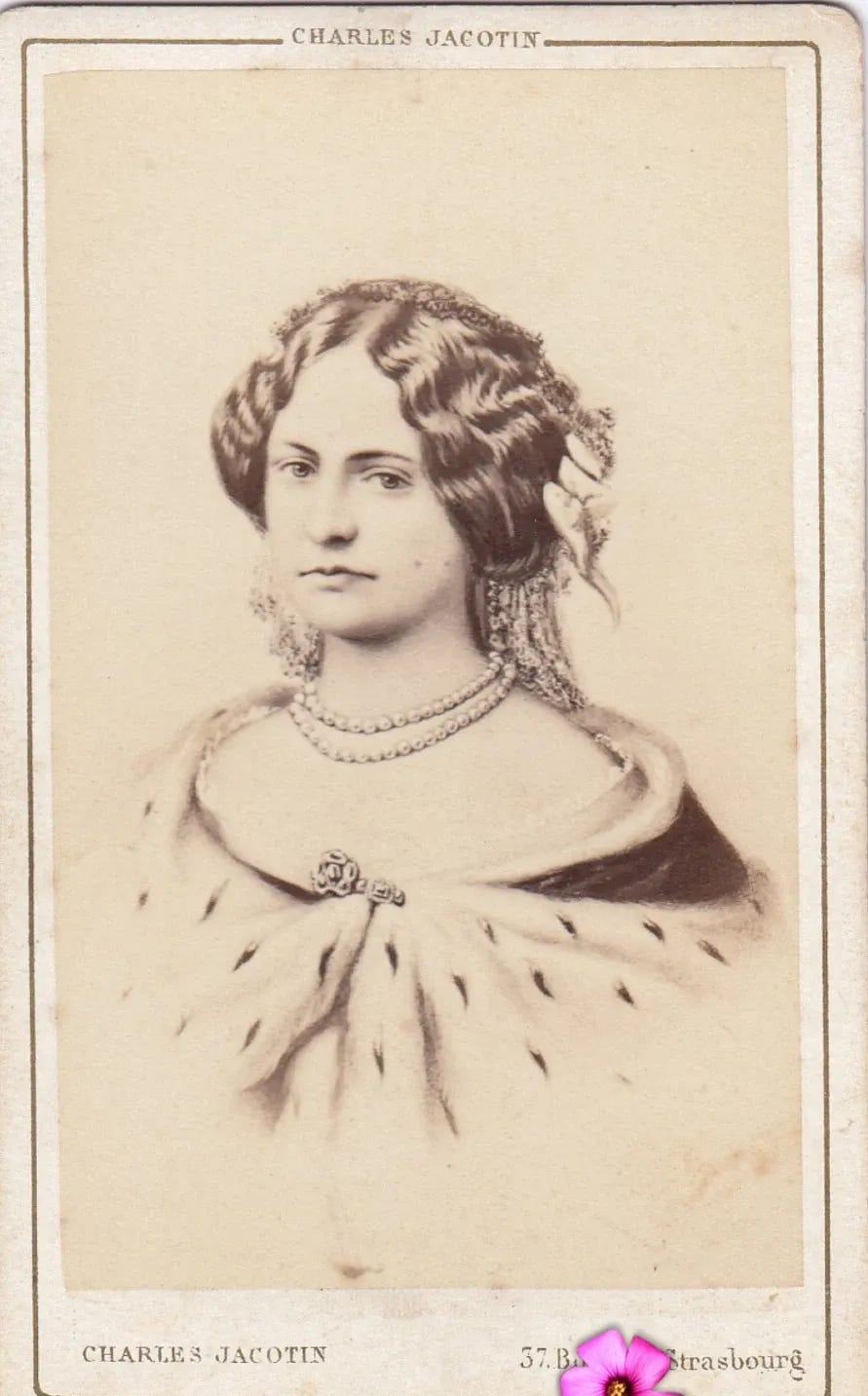
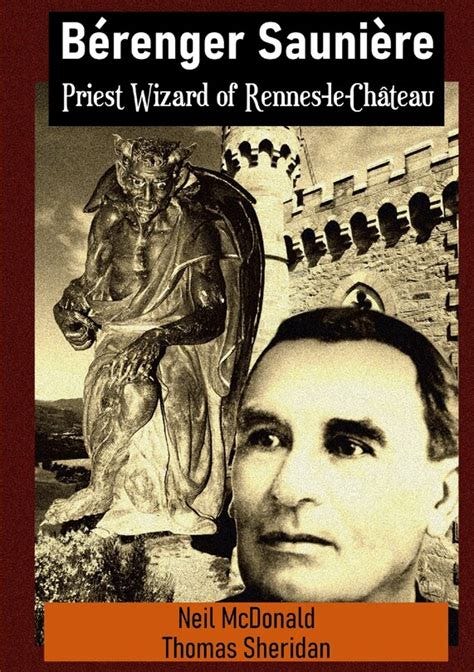
The Comtess de Chambord had Saunière reinstalled in Rennes-le-Château, along with a neat gift of 3,000 Francs– equivalent to five years’ salary. (Perhaps the first boon of many, as Saunière soared to an almost mythical wealth). Thomas Sheridan and Neil McDonald ask, in their fascinating book Bérenger Saunière, Priest Wizard of Rennes le Chateau if this cash injection was not exactly a bribe but some rocket fuel to get Saunière started on a secret mission to discover the treasure of the Hautpol-Blanchfort family– once a very powerful Cathar family in Languedoc, whose Chateau was in Rennes-le-Château and their family chapel, the Church of Mary Magdalene. The latter was in ruins when Saunière arrived in Rennes-le-Château, and set about restoring it. The roof cost 600 Francs to repair. So, ostensibly the gift from the Blanchfort family was supposed to be used for restoration.
Decades before Saunière’s arrival the Duke of Bordeaux (future Comte de Chambord and pretender to the throne of France), was introduced to Constant Amand D’Hautpoul who told him about the Blanchfort secret treasure. (It is also possible that the Duke’s wife, Comtess de Chefdebien, told the Emperor of the Hapsburg Empire– who was her own uncle). Saunière was in something knee-deep, already. His wealth went far, far beyond that 3,000 Francs given by the Comtess de Chambord. A couple of years after his posting at Rennes-le-Château, he carved Mission 1891 on the Visigoth altar support, and then placed it in the church garden so that it could be viewed publicly.
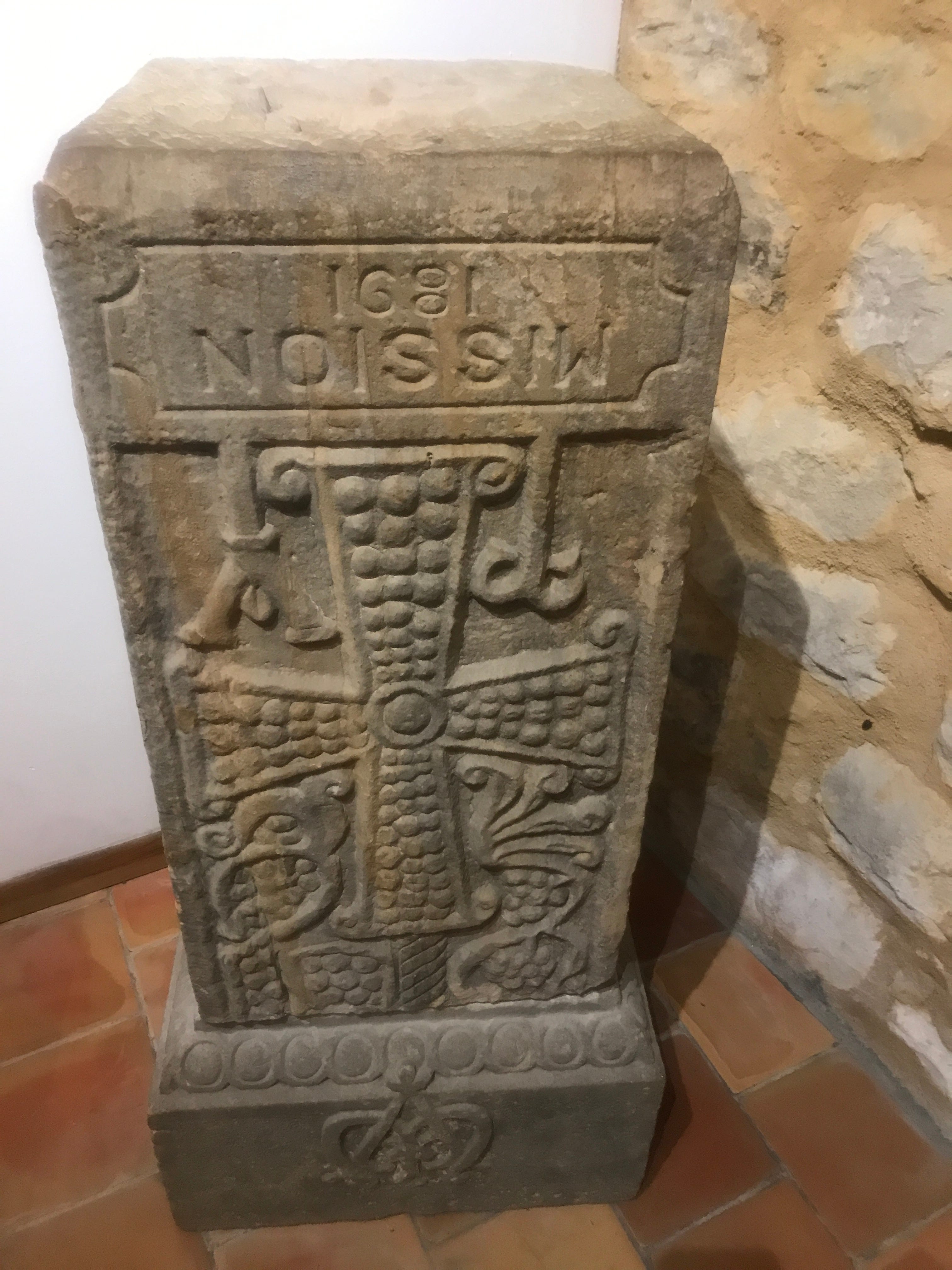
Sheridan and McDonald suggest that it was to show the public that he was on a mission. These speculations are the subject of several documentaries and books such as the 1982 Holy Blood, Holy Grail by Michael Baigent, Richard Leigh, and Henry Lincoln and later, of course by Dan Brown in his best-selling 2003 novel The Da Vinci Code, in which the fictional character Jacques Saunière is named after the priest. The story was first popularized by the book “L’Or de Rennes” by Gérard de Sède.
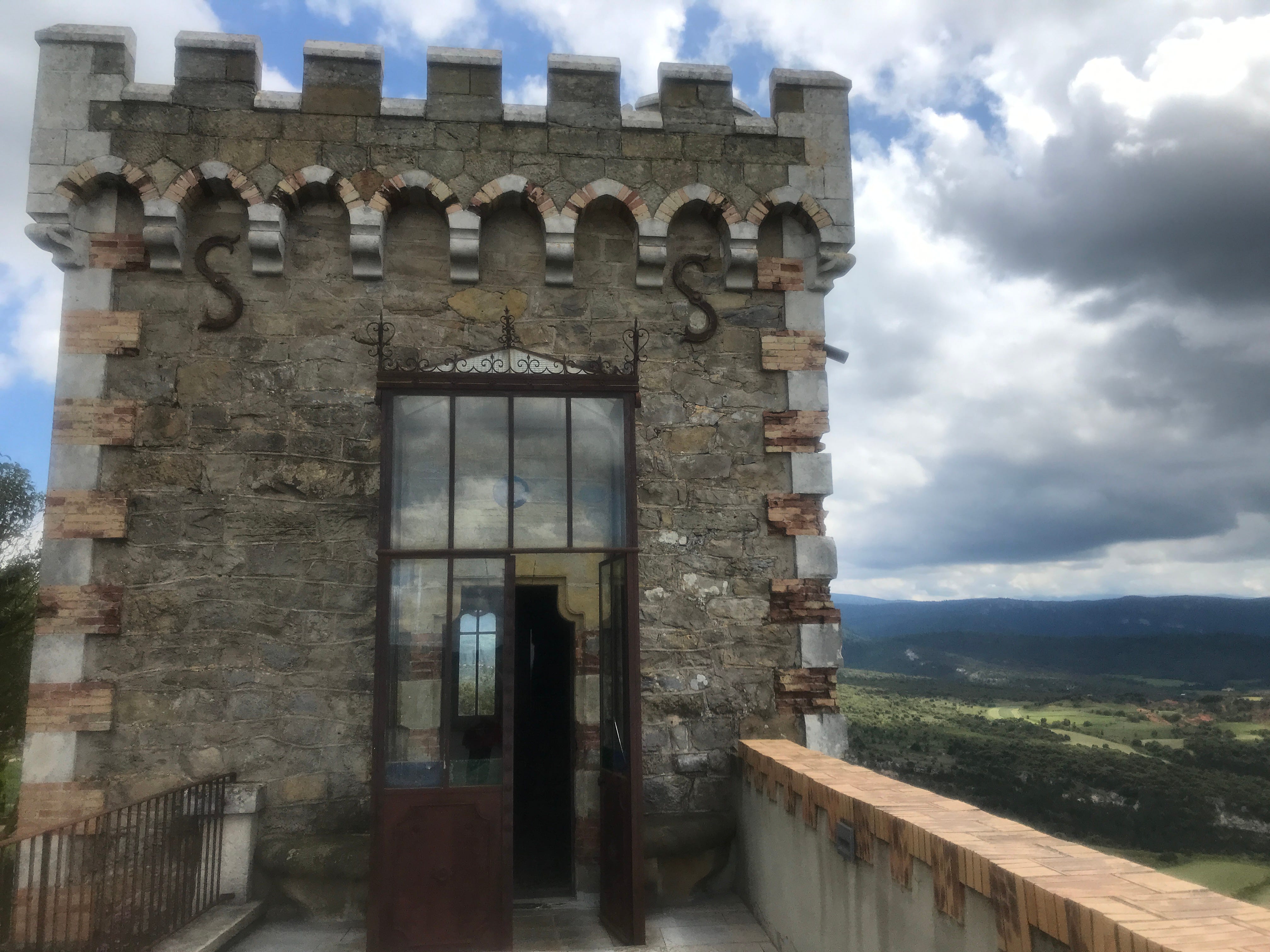
The Languedoc region is a rich one, Celts having lived in this province for millennia. The Visigoths had also settled here, and were said to have plundered great treasures from Jerusalem Emperor Titus when they sacked Rome in 410AD. The area was also vital for Templar and Cathar missions and settlements– both were bearers of great mystical knowledge, and so it was natural for the occult to flourish in this region.
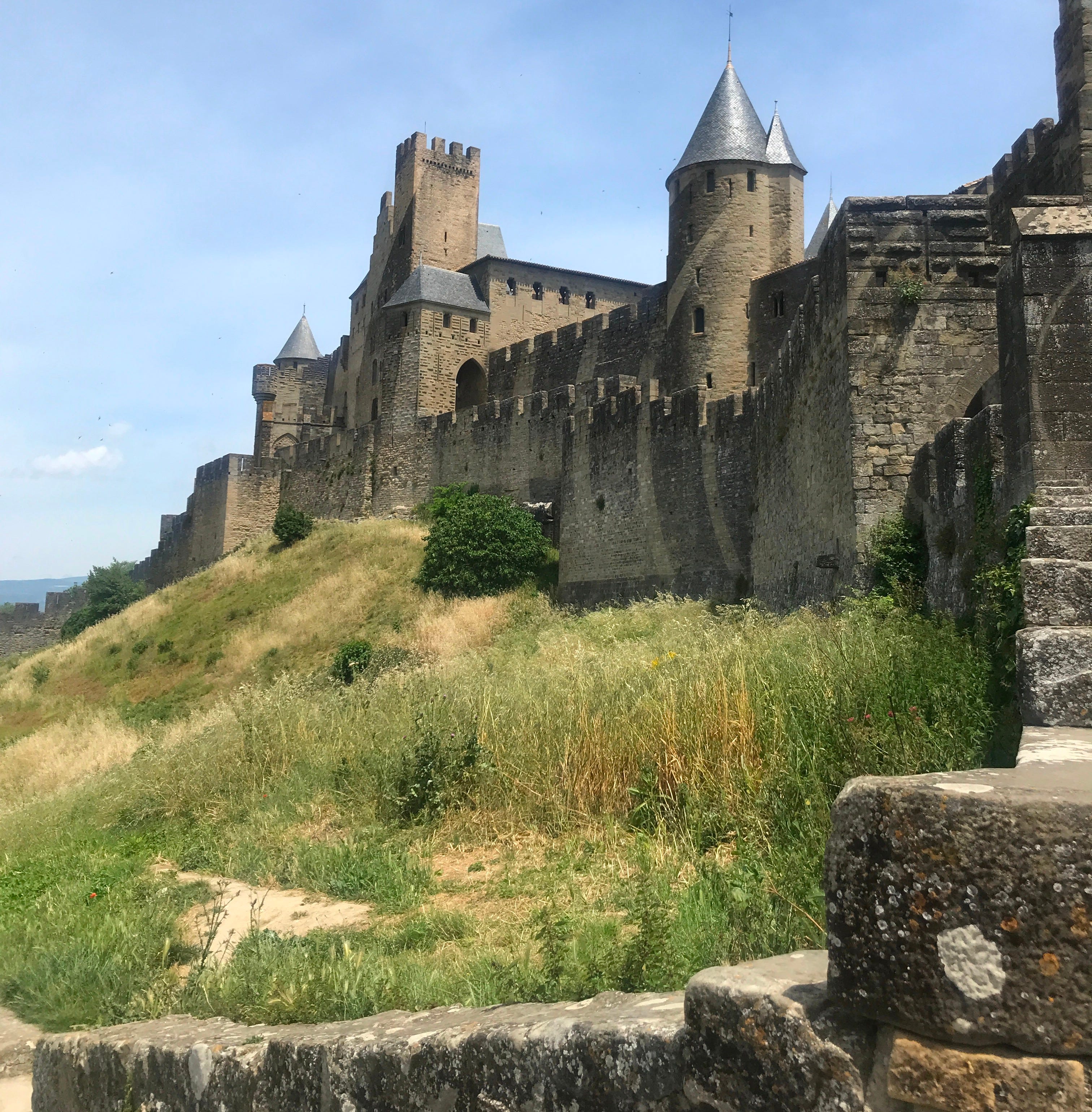
The Languedoc landscape is shrouded in mystery, secrecy and treachery. The Hautpol-Blanchfort family, once powerful Cathars- were one of 200 Cathar households in Languedoc region. Catharism, a Christian quasi-dualist and pseudo-Gnostic movement which thrived in northern Italy and southern France between the 12th and 14th centuries, was denounced as a heretical sect by the Catholic Church. Cathars were persecuted in the Albigensian Crusade and later by the Medieval Inquisition one million were slaughtered, hanged, or burned at the stake. After Simon de Montfort and the northern French barons razed down Beziers, Carcassone and Minerve in 1212, they looked to Hautpol’s winding road, inaccessible and well fortified, and prised out the ‘nest of heretics’ at its pinnacle with trebuchets to destroy them if they resisted the power of the Roman Catholic Church.
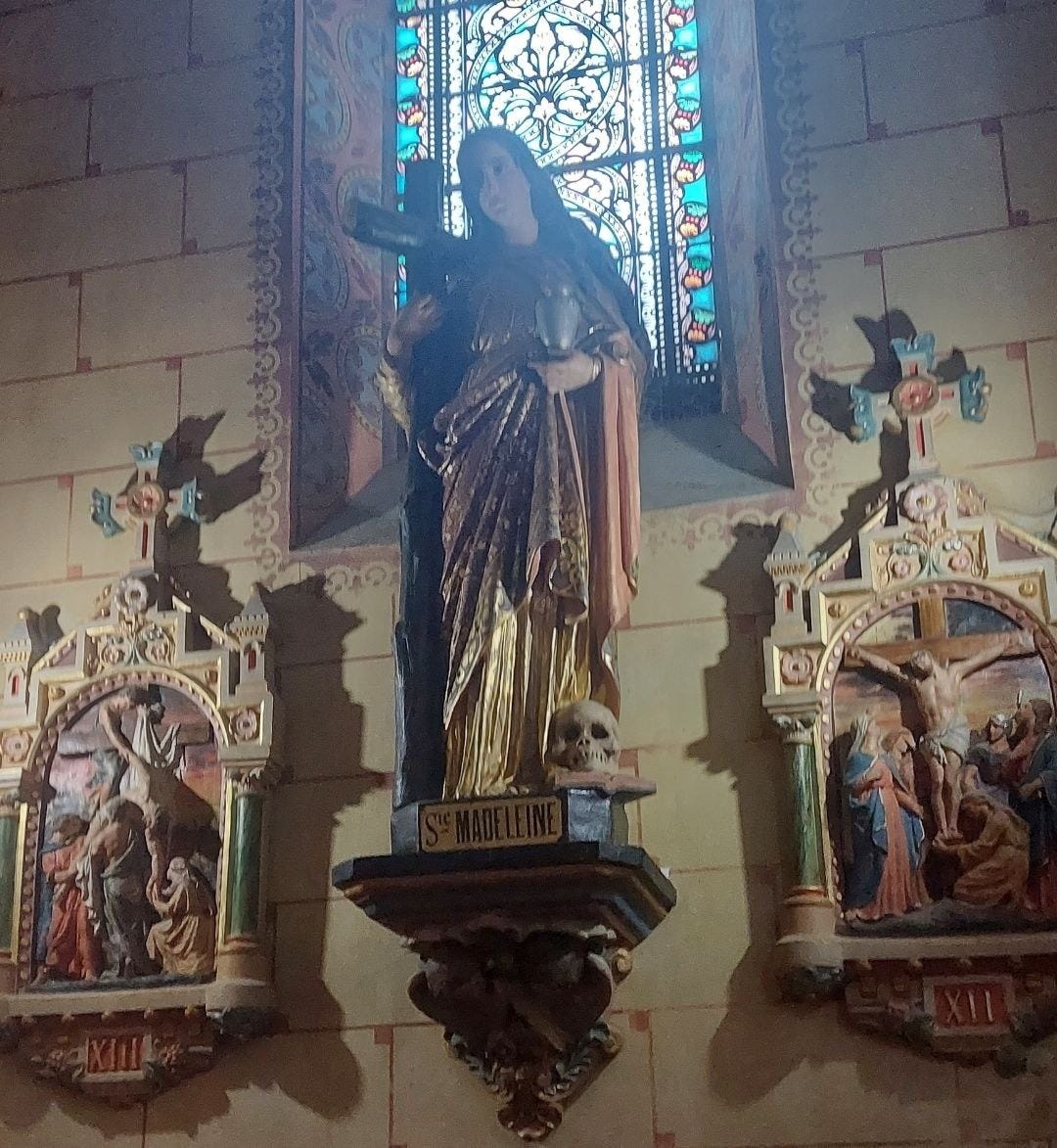
Catharism had simalarities to Buddhism in its renunciative, ascetic attitude to the world. The Perfecti or Parfaits, the most devout members of the Cathar community, were their fully initiated ‘priests’ and ‘priestesses’ who administered the sacrament of consolamentum, (spiritual baptism). Cathars may have been devoted to Mary Magdalene whose gospel, recovered in fragments from the sands of Egypt, reveals her as a mystic. In the Cathar tradition, Mary Magdalene was the apostola apostolorum — the apostle to the apostles. She wasn’t beneath Peter– she stood beside him and often above him. She was Sophia, divine wisdom. It was perhaps for this that the Cathars were almost wiped off the faced of the earth– that the Cathars saw women as spiritual equals. Many women were perfectae preachers and confessors, they could own property and had legal rights that medieval women generally did not have- apart from, of course, Eleanor of Aquitaine and such nobles. A thing detested by the Roman Catholic Church. That the Church of Mary Magdalene in Rennes-le-Château was that of the Hautpol-Blanchfort family who were an old established Cathar family, does imply that the Cathars were devoted to the female mystic.
Back to the treasure. August de Labouisse-Rochfort in Voyage a Rennes-les-Bains (1832, p. 469) wrote that there were gold and silver mines in the area which dated back to Roman times and it may have been this that generated the legends of wealth around Rennes-le-Château. The legendary ‘Devil’s gold’ was a hoard of gold pieces guarded by the Devil himself, hidden in the heart of the Blanchefort mountain near Rennes-le-Château. Note the ‘Devil’ as he will become significant in this tale.

Apparently, it was the bell-ringer, Antoine Captier, who discovered a glass vial within the pillar, during the restoration of the church. Inside this vial were the parchments, which he gave to Father Saunière (who is credited with discovering these, despite the Bell-Ringer Antoine’s part in it). Four coded parchments were in the vial– and it seems to have been these that lead him to a treasure of unimaginable wealth. Not long later, Saunière started to build and design extravagantly- the Magdala tower and Villa Bethany, where he lived with his house keeper, Madame Dénarnaud, who told people after Saunière’s death ‘People here are walking on gold without knowing it’ and told Noel Carbou, who bought the house that Saunière built after he died, (with Madame within in it) ‘Before I die I will tell you a secret that will make you rich’, but a stroke prevented that– and so the secret died with her. She had been Saunière’s devoted confidante for all his years at Rennes-le-Château.
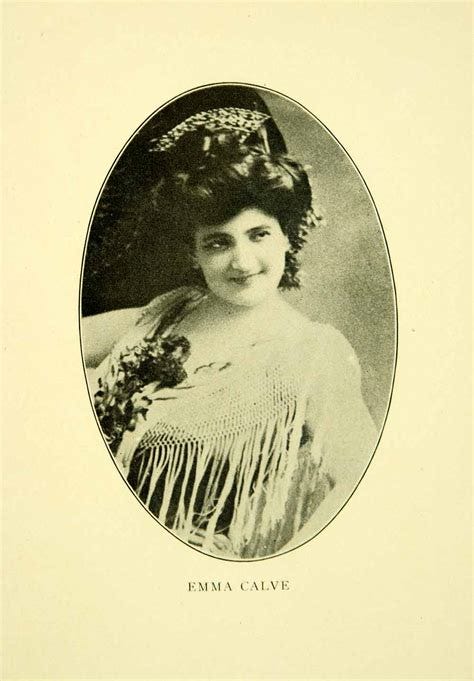
Two of the parchments Saunière found are still extant, while the other two are lost– perhaps forever. Saunière took the parchments to St. Suplice Church in Paris for translation/ transliteration. According to Sheridan and McDonald, the Director of St. Supplice Seminary Abbey introduced him to Occult Societies. Saunière at that time befriended Emelia Calve, a famous opera singer who purchased and restored the Chateau de Cabriere in 1894, a place steeped in the occult, and once her family home.
What did these parchments mean, and how did they catapult Saunière into vast wealth? In 1969, Henry Lincoln, an English Television writer, read “Le Trésor Mauduit”- or the “Accursed Treasure”, by Gérard de Sède. Lincoln was able to de-code the messages in the cryptic parchments which Saunière had found.
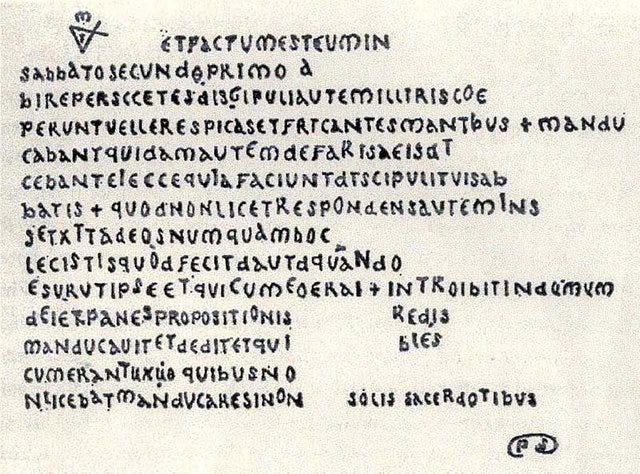
Certain letters portrude more than others. Combined, these letters make up the message:
A Dagobert II Roi et a Sion est ce tresor et il est la mort
In English:
To Dagobert II, King, and to Sion is this treasure and he is there dead.
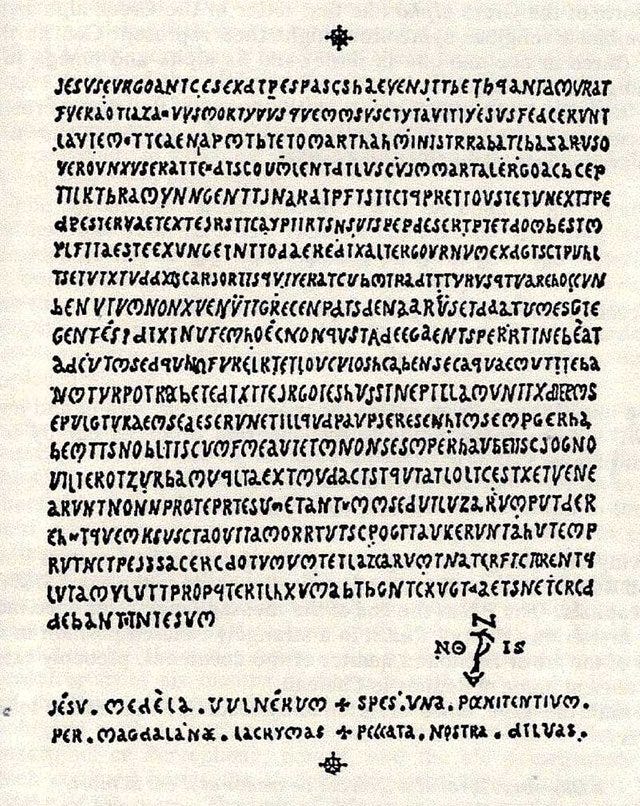
The second parchment is more unclear. The Latin text is from John’s Gospel, in which Mary of Bethany, (many believe to be Mary Magdalene), who will become relevant later, anoints Jesus. As with the first parchment, certain letters portrude and when combined become “Rex Mundi”, Latin for “King of the World”. Other words that can be decoded are ‘panis’ and ‘sal’ (bread and salt), formed when viewing letters that were lower than the other letters. In English they mean bread and salt and “ad Genesareth”, which means “to Genesareth” - the Sea of Galilee.
140 completely extraneous letters reveal a mumbling of words that do not make much sense. But Lincoln conducted a very complicated process of word analysis, which he decoded using the Vigenere Square ciphering system:
Bergère pas de tentation. Que Poussin Teniers gardent la clef. Pax DCLXXXI. Par la croix et ce cheval de dieu. J’achève ce daemon de gardien à midi. Pommes bleues.
Translated to English:
Shepherdess no temptation. That Poussin and Teniers keep the key. Peace 681. By the cross and this horse of God. I finish off this guardian daemon at midday. Blue apples.
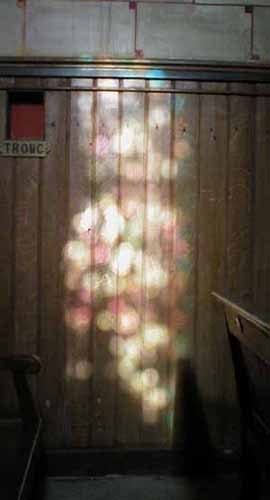
What on earth does even “pommes bleues” mean? Some suggest it to mean grapes seen through the stained glass window at the church when the sun shines through to resemble grapes 'or blue apples.
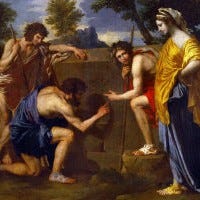
When Saunière returned from Paris, he brought with him a copy of Nicolas Poussin’s ‘Et in Arcadia Ego’- Poussin is mentioned in the parchments. Although he hardly left Rome in all his years, the painting appears to be that of Rennes-le-Château. The composition is based on the ‘golden ratio’ geometric principle. Et in Arcadia Ego was commissioned in 1638 by Giulio Rospigliosi, (later Pope Clement IX). The scene is set in Arcadia- a barren region of Greece immoralised by Virgil. But it is the landscape around Rennes-le-Château.
Flipping the parchment upside down “NOIS” is at the bottom right corner, and could be interpreted as “SION”, possibly referring to the ancient secret society called the Priory of Sion.
Henry Lincoln contacted the author of “The Accursed Treasure”, Gérard de Sède and they collaborated to make the “Chronicle” film “The Lost Treasure of Jerusalem” in 1972. Lincoln’s later book “The Holy Blood and the Holy Grail” gave his theory international notoriety. He believed that the “The Priory of Sion” dates back to 1099, and that Grand Masters such as Leonardo Da Vinci and Isaac Newton were devoted to installing the Merovingian dynasty on the European thrones– the dynasty that claimed to descend from the issue of Christ and Mary Magdalene. The Merovingian dynasty ruled the Franks from the mid 400s to the mid 700s. It is claimed that the Knights Templar were the Priory’s military and financial branch. The Priory of Sion are devoted to the tomb of Sigebert IV and the lost treasure of the Temple of Jerusalem, which may hold the genealogical records that prove the Merovingian dynasty was of the Davidic line.
How then, does all of this link to the treasure of Rennes-le-Château and Father Saunière’s discovery of the four parchments in the hollow pillar? Some speculate that he was given wealth by royal personages– possibly the Hapsburgs. We’ve already seen that the Comtess de Chambord Maria Theresa, who had Saunière installed at Rennes-le-Château, was a member of the Hapsburg family. He frequently travelled around France, and was known to have travelled to Budapest, seat of the Hapsburgs. A gentleman called ‘Monsiuer Guillaume’ came to the parish priest’s lavish feasts, and was known as ‘The Foreigner’ but was in fact Johann von Hapsburg, Archduke of the Austro-Hungarian Empire and cousin of none other than Emperor Franz- Jozef. (Sheridan and McDonald, P.61). When Saunière’s domaine was occupied later by Jean Luc Robin, prepaid envelopes from the Fritz Dorge bank in Budapest were found in his residence- evidence that the Hapsburgs were giving him money?
Saunière died on 22 January 1917 after he was visited by three unknown visitors. On 11th November 1918, the Hapsburg Empire fell. Saunière built from his wealth the Magdala Tour, exquisite gardens with exotic fauna, a fine two story house, a beautiful wood worked library in the Tour with 1,000 exquisitely bound books. When the Bishop of Carcassone visited an opulent feast with:
‘foie gras, lobster, shellfish, three fish and poultry dishes, three roasts and a dozen desserts, fine clarets and liquers, Martinique rum imported from the cask and Havana Cigars
- Rennes le Chauteau, Saunière’s Secret, Jean -Luc Robin
The money may have come from donations- but not pious ones. Saunière was no ordinary village priest. Lincoln et al came to the conclusion that the Treasure of Rennes-le-Château wasn’t a treasure at all, it was knowledge of a genealogical chart that dated all the way back to Christ and that proved he had issue with Mary Magdalene.
This theory relates to the Holy Grail. It was during the 12th Century that Holy Grail became associated with Christ and yet Grail romances are pagan, connected to the seasons, death and rebirth of years. The Grail came to be the vessel that held Christ’s blood, after the lance pierced his side on the cross. It came to mean immortality. But Lincoln concluded the the stories of the Grail related to historical and genealogical matters, and not mythical ones. In which knights proved their worthiness of a secret, or became masters of the Grail through marriage. In early manuscripts, the Holy Grail is is called the “Sangraal”, or later on “Sangreal”. It is likely that one of these forms was the original one and not “San Graal” or “San Greal”, which if read differently, could read as “Sang Raal” or “Sang Réal”. Which means Royal Blood. So Lincoln et al claimed that Jesus of Nazareth was married to Mary Magdalene, and that they had two children. They suggested that Saunière had worked this out, that he understood that the very bloodline of Jesus is the Treasure of Rennes-le-Château. Or that the Holy Grail is in fact Mary Magdalene, who holds Jesus’ bloodline– his heir. This is what granted immorality from the Grail- a bloodline. Was the money Saunière ‘amassed’ silencing money? A gagging order? We may never know. But why didn’t Saunière charge off out of the small village of Rennes-le-Château with his treasure? Why not live it up in Paris, New York or London with his treasure? Was this part of the gagging order? Could he have sold the genealogy to the highest bidder? In whose interest was it to silence the voice that might have claimed that Jesus of nazareth had children? The whole of Western Civilisation? And why should the Priory of Sion’s theory of Merovingian immortality be true? Many secret societies believe many different things. It does not mean they are true. And why did Saunière and three priests in his area, with whom he met frequently, die after visitations by strange, unknown visitors?
Bérenger Saunière was a poor man from a poor family who suddenly got rich, and no one seems to know why.
There is another theory, presented by Sheridan and McDonald. One only has to look inside the Church of Mary Magdalene to see that there is something extremely unusual afoot- apart from the hollow pillar and its cryptic parchments that led to Sauniere’s wealth. It is a small chapel, having been the chapel of the Hautpol-Blanchfort family. But it is full of odd riches, oversized statues and a black and white checker floor– all by Sauniere’s design. It is congested. It has Masonic and Rosicrucian temple features. As you enter, there is the most extraordinary statue of Asmodeus, the King of Demons– he seems to greet you at the very threshold of the temple.
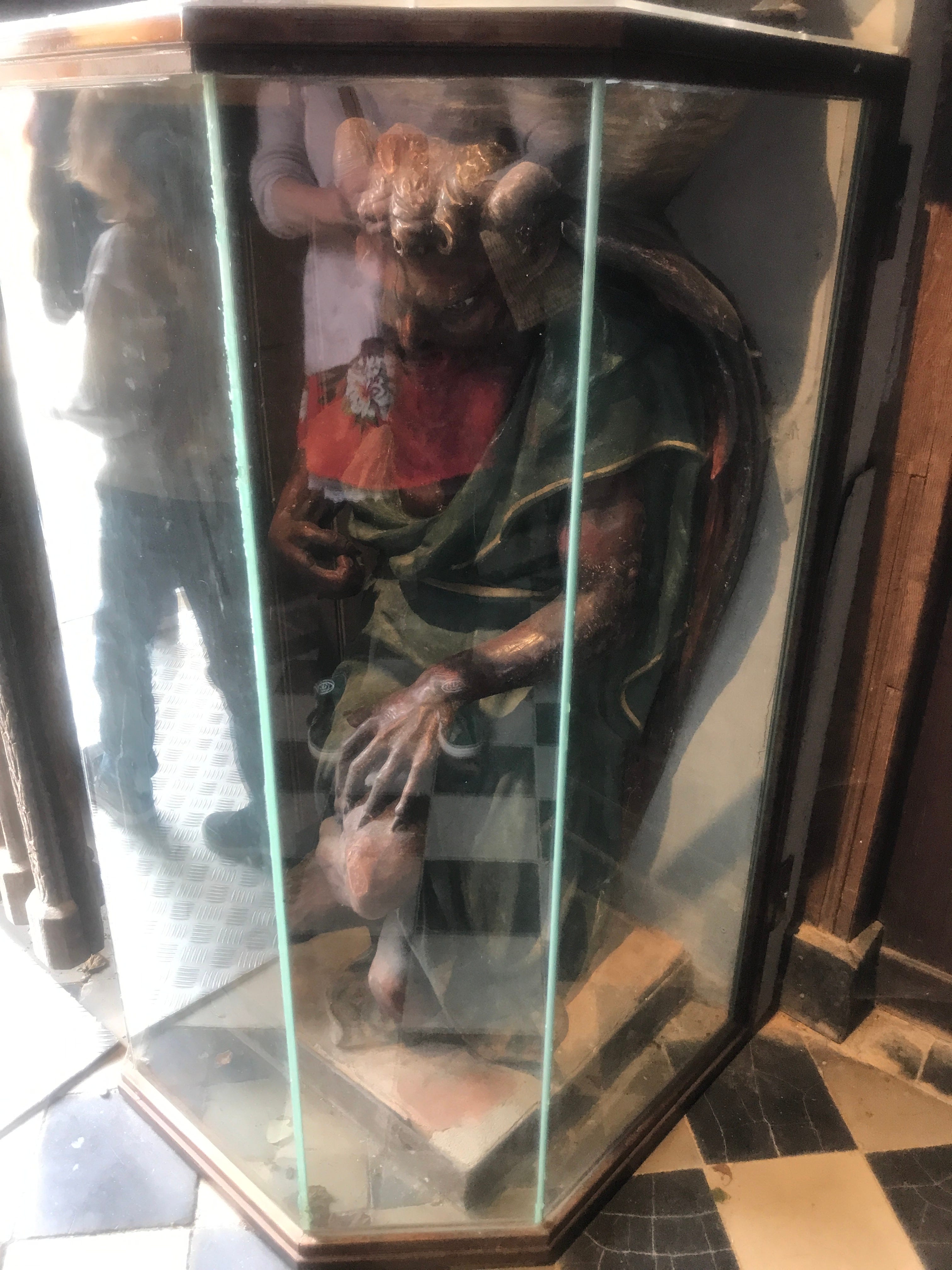
A Demon in the Church, not banished to the exterior, to the role of gargoyle? Asmodeus, in Sheridan and McDonalds view, reveals the four elements of alchemy: Asmodeus as Rex Mundi, (Lord of the Earth), the Water element in the stoupe above him, the Salamanders below the angels, representing Fire, the angels representing Air and topping it all above, a Rosicrucian cross representing Spirit, the Fifth element. These five make up a pentagram. (Sheridan and McDonald, p. 60)
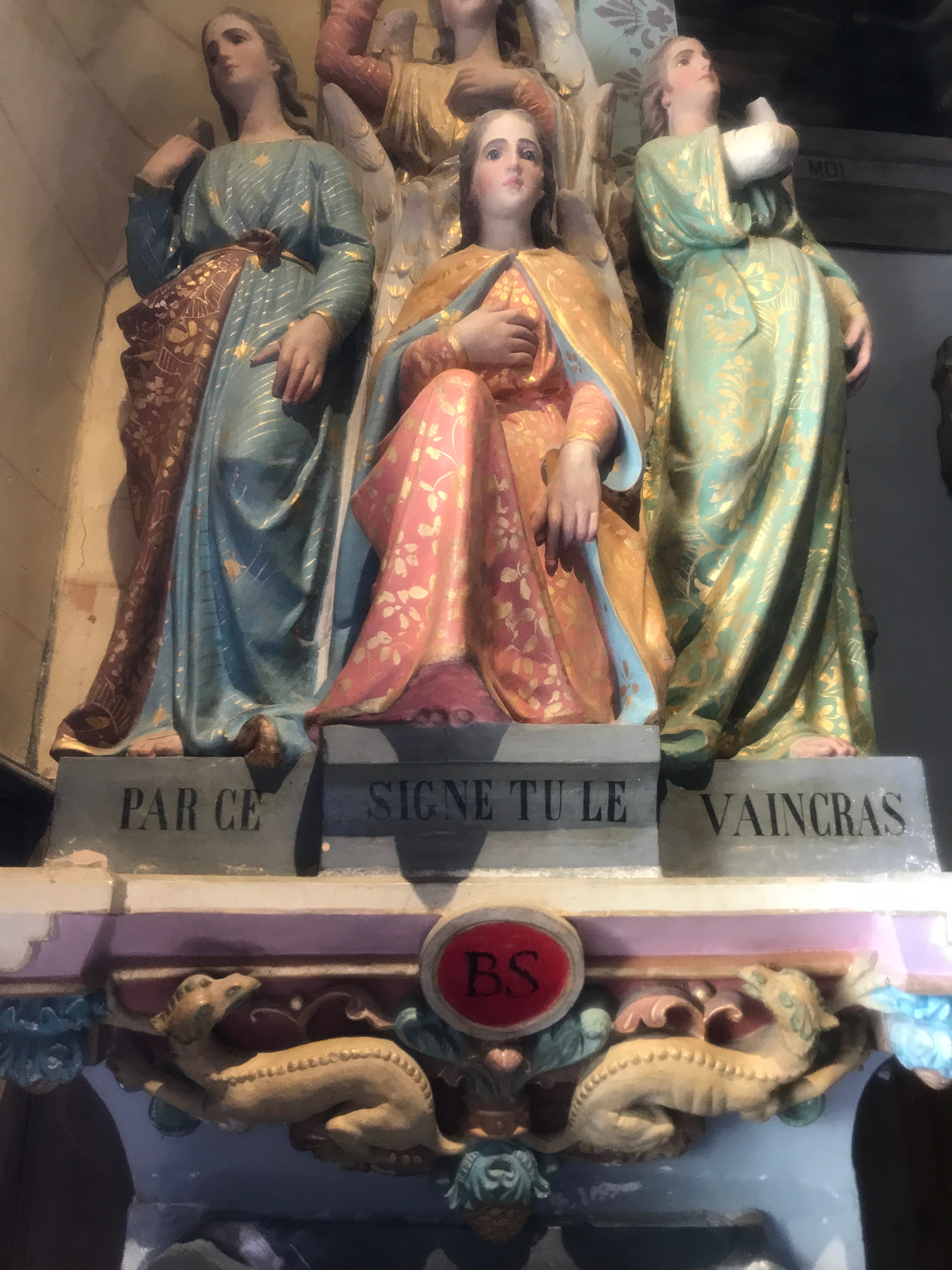
Which brings us to Solomon. The Pentagram is associated with Venus, the planet that forms a pentagram in the sky. She is the brightest star– the third after the sun and the moon. She is the morning starr, teh Light Bringer. Did Sauniere design the chapel with all of this in mind? He brought the light of Mary Magdalene to the dark of Asmodeus, the keeper of secrets. The very demon captured by King Solomon with his magic ring and a chain inscribed with the name of God, given to him by the Archangel Michael who told him “with this you will shut away all the World’s demons and with their service you shall build Jerusalem. The ring has the Seal of Pentalph, the Pentagram.
Sheridan suggests that Saunière was the Solomon of Langedoc, that he controlled Asmodeus with a magical ring, and that this could explain his immense wealth. The gardens, the lavish feasts at his residence, were all, in effect, offerings to the Demon Asmodeus. He notes the position of Asmodeus’s right hand suggests he wore a ring. Could Asmodeus have been guarding the hidden treasure of Langedoc? In the chapel is the inscription ‘terrribilis est locus iste’– ‘This place is terrible’. With Asmodeus to the left, and the holy altar to the right, was this symbolic of a choice that he made, to follow that dark path, and the light, too?
While the church bore the name of Mary Magdalene, in reality the Abbé Saunière recreated this small church as his own, reimagined Temple of Solomon atop the mount of Rennes-le -Château… becoming a symbolic Shamir tunnelling through the local rock and soil in locations made known to him by his conjugation of Asmodeus.
– Sheridan and McDonald, p. 109
Fascinatingly, Sheridan and McDonald suggest that Saunière did not work alone, but that he was Grand Master of a Secret Society. His close friends, two priests of adjoinging parishes, may have worked alongside him. Each of these priests died under strange circumstances, as did the later owners of Saunière’s estate. Saunière had a stroke on 17th January, 1917 after he was visited by two strange guests who left silently. He did recover briefly for five days, and then died. Some say that Madame Dénarmaud ordered Saunière’s coffin five days before he collapsed. Could his visitors have been grim reapers from his secret society? Next, Henry Boudet, priest of Rennes-les-Bains (nearby) was also visited by two men, unknown in the area, and then died. His replacement, Abbe Réscanières, was also visited by these two strange visitors and died of poisoning, just eight weeks later. The latter may have been by a mistake but the third priest, the Abbé Antoine Gélis of Coustaussa, who met frequently with Saunière and Boudet, and who was a recluse with the shutters closed in his presbytry– was found by Ernest Page on 1st November 1897, dead in a pool of his own blood. His grave is marked ‘Assassine’. Murdered. The curse folowed Noel Corbu, who bought the estate of Saunière, with Madame Dénarmaud in it. He died in a tragic accident driving between Castelnaudery and Carcassonne. Henri Buthion, who later owned the estate, was attacked with firearms in his car but survived. Jean Luc Robin took the esate over in 1994, and went for election as deptuy mayor of Rennes-le-Château and just three days before the election, he died of a heart attack.
The Mystery of Rennes-le-Chauteau is a many layered one, with threads to the Church, to European Royalty, and to Secret Societies. I cannot say that I have come to a conclusion, but Saunière and the other two priests’ deaths do seem to imply that they were to keep whatever secret treasure this was, sealed for good.
PLEASE NOTE: IF you have made it this far on this mysterious blog, consider supporting my work by Buying me a Coffee. This particular blog has taken weeks of research and writing. Many Thanks for your visit!
Many Thanks to Thomas Sheridan and Neil McDonald for their work, from which I have drawn in this blog.
So cool
Whoa! Some deep dive Research and information there. Judging by the Media blackout of the now collapsing Northern part of our Goddess Isle, Samsara is a never ending state of Cathar Truth. Well done Siofra.